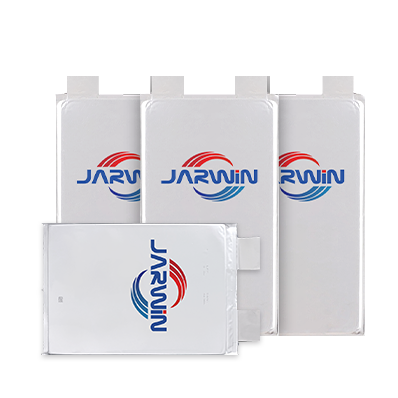
High-rate Battery Cell
Light Power Battery Cell
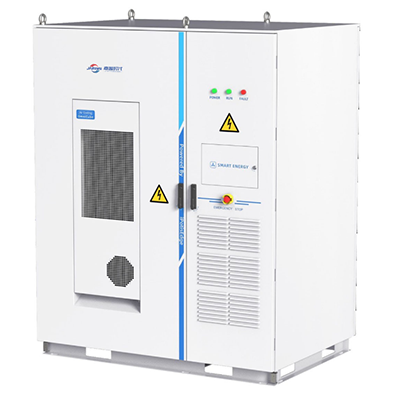
Energy Storage Battery Cell
View more
暂无三级分类
High-rate Battery Cell
Light Power Battery Cell
Energy Storage Battery Cell
View more
暂无三级分类
Commercial & Industrial Energy Storage Battery
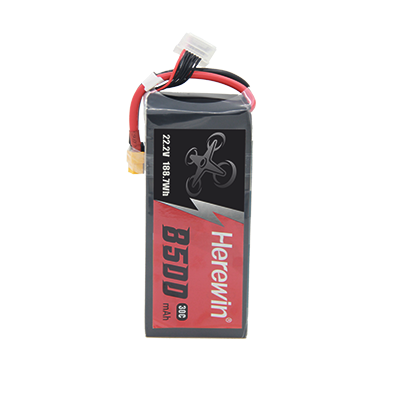
Drone Battery
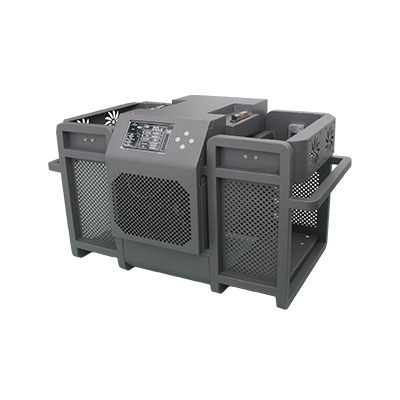
Drone Charger
Home Energy Storage Battery
Light Power Battery
暂无三级分类
Drones typically use lithium polymer (LiPo) batteries. LiPo batteries are lightweight and feature high energy density—two key traits that make them the primary power source for drones. They are also capable of delivering high continuous currents, a critical characteristic to meet the high-power demands of drone motors during flight. As rechargeable batteries, LiPo units are available in a wide range of configurations (including different cell counts, capacities, and discharge rates) to perfectly match the size, weight, and performance requirements of various drone models, from small recreational drones to large professional UAVs.
Choosing the right battery for your drone requires evaluating key factors to ensure optimal performance and full compatibility. Below is a comprehensive guide to help you select the ideal drone battery:
1. Voltage (V): Verify your drone’s official specifications to confirm the required voltage. Most consumer and professional drones operate on 3.7V (1S), 7.4V (2S), 11.1V (3S), 14.8V (4S), or 22.2V (6S) lithium-polymer batteries. Mismatched voltage may cause equipment damage or failure to power on.
2. Capacity (mAh): Battery capacity directly determines the drone’s flight duration. Higher mAh ratings generally deliver longer flight times, but they also increase battery weight. It is critical to balance flight time needs with weight constraints to avoid compromising flight stability and maneuverability.
3. Discharge Rate (C rating): The C rating indicates the maximum current a battery can continuously deliver safely. A higher C rating (e.g., 40C, 60C) is essential for high-power drones such as racing drones or models with high-torque motors, while recreational drones may suffice with a lower C rating (15C-25C).
4. Size and Weight: Ensure the battery fits snugly into your drone’s battery compartment and does not add excessive weight. Overweight or ill-fitting batteries can significantly degrade flight performance, including agility, lift, and responsiveness.
5. Connector Type: Confirm the battery’s connector type (e.g., XT60, XT30, JST, XT90) matches your drone’s power distribution board (PDB). Using an adapter may lead to voltage drop or loose connections during flight, posing safety risks.
6. Usage Environment: Factor in the operating temperature and flying conditions. Extreme temperatures (both high and low) can reduce battery efficiency, shorten cycle life, or even cause thermal runaway. Always use batteries within the manufacturer’s recommended temperature range (typically 0°C to 40°C for discharge).
A drone battery’s lifespan is determined by three core factors: maintenance practices, frequency of use, and charging/storage protocols.
On average, a well-maintained drone battery delivers 100–300 charge cycles before noticeable performance degradation. With strict adherence to proper care routines—such as avoiding overcharging, storing at optimal temperatures, and preventing deep discharge—some batteries can even exceed this range.
To maximize your drone battery’s service life, always follow the manufacturer’s official guidelines for charging, storage, and daily operation.
The maximum flight time of a drone (powered by batteries) is primarily determined by three core factors: the drone’s physical size, overall weight, and battery capacity. Generally, consumer-grade recreational drones deliver a single-charge flight time of 10 to 30 minutes—a range that strikes a practical balance between portability, cost, and performance for everyday use. In contrast, specialized drones (e.g., those for industrial inspection, agricultural surveying, or military applications) can achieve far longer endurance, with flight times ranging from 1 hour up to several hours. These professional UAVs typically rely on high-capacity lithium polymer (LiPo) battery packs, larger battery modules, or even alternative power sources (such as fuel cells) to extend their operational time in the air.
Drones can experience rapid battery depletion due to multiple interrelated factors, each contributing to increased power consumption or reduced energy availability:
1. High Power Consumption: Drones require substantial power to maintain lift and maneuverability, especially when carrying heavy payloads (e.g., high-resolution cameras, industrial sensors) or operating in gusty/windy conditions. This elevated power draw accelerates battery energy depletion significantly.
2. Small Battery Size: Consumer-grade drones prioritize lightweight design and portability, which necessitates the use of compact batteries with limited energy capacity (mAh). This trade-off between portability and battery size directly results in shorter flight durations for mainstream recreational drones.
3. Adverse Flying Conditions: Operating a drone in strong winds, at high speeds, or in extreme temperatures forces the motors to work harder to maintain stability and speed. This additional power demand leads to faster battery drain compared to flying in calm, optimal conditions.
4. Prolonged Hovering: Hovering requires the drone’s motors to deliver a constant, steady power output to maintain a fixed altitude—this continuous power draw is far more energy-intensive than linear flight (e.g., flying straight at a constant speed), leading to accelerated battery depletion.
5. Battery Degradation: Over repeated charge-discharge cycles, drone batteries (typically LiPo) naturally degrade, losing their maximum capacity and ability to hold a charge. An aged or degraded battery will deliver noticeably shorter flight times, even under optimal operating conditions.
Using a charger specifically engineered for your drone’s battery is critical to protecting both the battery and the drone itself from irreversible damage. This is especially true for lithium polymer (LiPo) drone batteries, which have strict charging voltage, current, and balance requirements that generic chargers cannot reliably meet.
Utilizing an incompatible or incorrect charger can lead to a range of critical issues: overcharging (which risks thermal runaway, swelling, or even battery fire), undercharging (leaving the battery in a low-voltage state that damages cell health), or unbalanced charging (where individual battery cells receive uneven power, reducing overall capacity and lifespan). Any of these problems will shorten the battery’s service life, cause erratic performance during flight, or render the battery inoperable entirely.
To mitigate these risks, always use the original charger provided with your drone, or a third-party charger explicitly approved and recommended by the drone manufacturer. These certified chargers are calibrated to match your battery’s specifications (e.g., voltage, cell count, charge rate) and include safety protections to prevent overcharging, overheating, and short circuits.
The time required to fully charge a drone battery is governed by three primary factors, with additional nuances from battery health: the battery’s rated capacity (mAh), the charger’s output power (Watts), the current state of charge (from fully depleted to partially charged), and the overall health of the battery cells (degraded cells may take longer to charge).
For instance, a compact consumer drone battery with a 1,000mAh capacity typically takes 30 to 60 minutes to reach full charge when paired with a standard 1A output charger. In contrast, high-capacity batteries (5,000mAh or above)—commonly used in industrial inspection drones or heavy-lift UAVs—can require several hours of charging time with a standard charger, as their larger cell configuration demands slower, more controlled power input to preserve cell integrity.
Fast chargers are also available for compatible drone batteries, leveraging higher output currents to cut charging time down to just 15 to 30 minutes for most consumer-grade packs. While this offers obvious convenience for time-sensitive missions, frequent use of fast charging can accelerate the degradation of lithium polymer (LiPo) battery cells. The elevated current generates additional heat during charging, which stresses the internal chemistry of the battery, ultimately reducing its total charge cycle lifespan. For optimal battery longevity, fast charging is best reserved for emergency use, with standard charging as the daily practice.
FPV racing drones hit a top speed of 80–100 mph (130–160 km/h), varying by their custom build and hardware setup. Engineered for high-octane racing and dynamic freestyle flying, these drones deliver ultra-agile maneuverability and instant responsiveness in the air.
The flight time of an FPV drone varies by key factors: battery capacity (mAh), drone weight, flying style (aggressive vs. conservative), and environmental conditions (e.g., wind resistance). On average, a standard FPV drone delivers 3 to 8 minutes of flight per battery pack. While efficient piloting techniques and optimized battery setups can marginally extend this duration, most pilots carry multiple batteries to swap out mid-session, effectively prolonging their total flying time.
FPV drones feature a notably low maximum payload capacity, typically ranging from 100 to 300 grams. This inherent limitation restricts their ability to carry heavy-duty cameras, gimbals, or other bulky equipment.
Always operate FPV drones in open, unobstructed areas clear of people, animals, and physical obstacles. Fit propeller guards when flying near people, pets, or private property, and strictly adhere to local drone regulations to fly responsibly.
LiPo batteries should be stored in a cool, dry area (20-25°C) away from direct sunlight and extreme temperature fluctuations. For optimal safety, store them in a fireproof LiPo bag or sealed metal container at all times.
LiPo batteries should never sit idle for prolonged periods. To prevent irreversible voltage sag and cell deterioration, recharge or cycle them to storage voltage (3.85V per cell) at least every 3 months.
For long-term storage, LiPo batteries must be maintained at a storage charge level of 40-60% (3.85V per cell). Storing them at full charge or fully depleted for prolonged periods causes irreversible capacity loss and compromised overall performance.
Store LiPo batteries in a fireproof container—ideally a purpose-built LiPo safety bag—and keep them in a cool, dry environment (20-25°C, low humidity). Never store them in proximity to flammable materials (e.g., fuels, chemicals) or expose them to direct sunlight.
The optimal storage temperature for LiPo batteries is 20–25°C (68–77°F)—this core range is critical for preserving cell stability and extending overall battery lifespan.
Battery energy density is a critical metric that quantifies the energy a battery can store relative to its weight or volume—serving as the foundational benchmark for comparing performance across different battery chemistries and types. It is expressed in two primary forms: gravimetric energy density (energy per unit mass, measured in Wh/kg) and volumetric energy density (energy per unit volume, measured in Wh/L). These metrics are essential for evaluating a battery’s efficiency in storing and delivering energy.
High energy density means a battery stores more energy relative to its weight (Wh/kg) or volume (Wh/L). For Jarwin’s drone and energy storage batteries, this translates to longer flight times for FPV drones and more compact, lightweight setups for energy storage systems. It eliminates bulky packs, boosting efficiency and user experience without compromising power output.
Not necessarily. While higher energy density delivers longer runtime and compactness (critical for drones), it often trades off with safety, cost, and cycle life. High-density LiPo batteries need stricter safety protocols; the optimal density balances performance, safety, longevity and application needs (e.g., FPV drones).
Choosing a high energy density battery prioritizes performance and portability—critical for FPV drones. It delivers longer flight times (extending 3-8min baseline) while keeping drones lightweight/compact, avoiding bulky battery packs. It also reduces battery swaps, boosting flying session efficiency without sacrificing power output for racing/freestyle use.
This FAQ section answers the most common questions about drone batteries, covering selection, charging, maintenance and lifespan optimization for all recreational and professional users.
Our FAQ content is updated to reflect the latest industry standards; unaddressed questions can be sent to our support team via the bottom contact form.
Phone: 86-198-6690-6773
Email: info@jarwin.com.cn
Free standard shipping
on all orders.
Support forum
for over 24h
Address:102,Lecailn Park Pingshan Shenzhen China
Do you have questions about how we can help you?
Send us an email, and we’ll get in touch shortly.